
Top Waterproofing Products to Protect Your Home and Structure
Explore our expert picks of waterproofing solutions designed to keep your property dry and secure in any weather conditions.
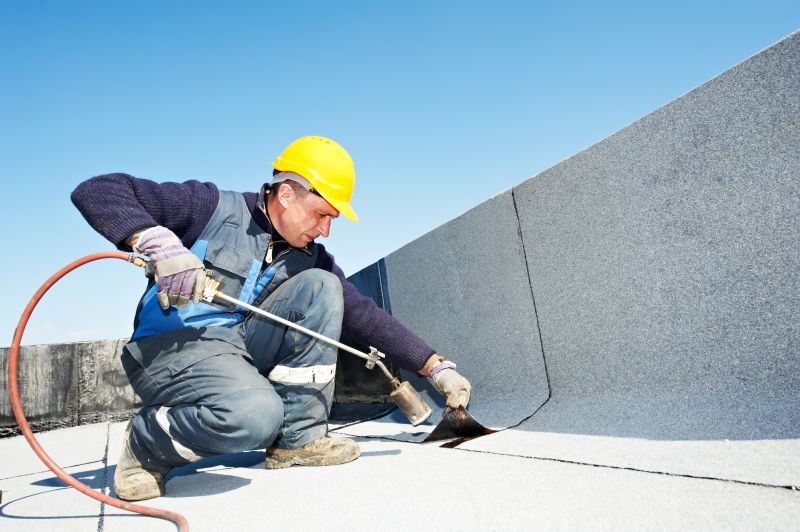 Waterproofing products play a crucial role in protecting structures and surfaces from moisture intrusion, which can lead to damage, mold growth, and structural deterioration over time. Whether for residential, commercial, or industrial applications, selecting the right waterproofing solution depends on factors such as the type of surface, exposure conditions, and longevity requirements. From basement foundations to roofing and exterior walls, various products are formulated to provide effective barriers against water ingress. Proper application and maintenance of these materials can significantly extend the lifespan of a structure and preserve its integrity.
Top Overall Option
Liquid Waterproofing Membrane
A versatile liquid membrane offers seamless coverage and can be applied to various surfaces, including roofs, basements, and foundations. Its flexibility allows it to accommodate slight movements in the substrate, reducing the risk of cracks or leaks over time. Easy to apply with brushes, rollers, or spray equipment, this product provides a continuous barrier against moisture intrusion. It is suitable for both new constructions and renovation projects, offering a durable and adaptable solution for diverse waterproofing needs.
Types of Products For Waterproofings
Bituminous Membranes
Self-adhesive or torch-applied membranes used primarily for roofing and foundation waterproofing, known for their durability and resistance to water penetration.
Liquid Rubber Coatings
Rubberized liquid coatings that create seamless, flexible waterproof barriers suitable for roofs, decks, and basements.
Polyurethane Sprays
Spray-applied coatings that form a durable, waterproof layer, ideal for large surface areas like roofs and decks.
Cementitious Waterproofing
Water-based cement mixes that can be applied to concrete surfaces for interior and exterior waterproofing applications.
Bitumen Coatings
Thick, tar-like coatings that provide water resistance for foundations, tunnels, and underground structures.
Sealants and Caulks
Flexible compounds used to seal joints, cracks, and gaps in various surfaces to prevent water infiltration.
Sheet Membranes
Pre-formed waterproof sheets that are adhered or mechanically fastened to surfaces, commonly used in foundation waterproofing.
Waterproof Paints
Specialized paints that add a water-resistant layer to exterior walls, fences, and other surfaces.
Crystalline Waterproofing
Chemical treatments that penetrate concrete and form crystalline structures, blocking water pathways internally.
Epoxy Coatings
High-strength coatings used to waterproof concrete surfaces, especially in industrial or heavy-duty settings.
Hydrophobic Sealants
Sealants that repel water and are used on porous surfaces like stone, brick, or concrete.
Drainage Mats and Boards
Materials designed to facilitate water movement away from structures, reducing hydrostatic pressure.
Polymer Modified Cement
Enhanced cement mixes with polymers for improved flexibility and waterproofing ability in structural applications.
Vapor Barriers
Materials installed to prevent moisture vapor transmission through walls and floors.
Flexible Flashing Membranes
Thin, flexible sheets used around windows, doors, and joints to prevent water infiltration.
Popular Choices
Widely used for its seamless application and adaptability across different surfaces.
Commonly selected for roofing and foundation projects due to their proven resistance.
Favored for large-scale applications requiring quick and effective waterproof layers.
Popular for interior basement walls and water tanks because of ease of application.
Chosen for exterior walls and fences to add an extra layer of water resistance.
Preferred for foundation waterproofing due to their durability and ease of installation.
Frequently used around windows, doors, and joints for quick sealing solutions.
Gaining popularity for concrete structures requiring internal water blocking.
Often selected for industrial applications needing high-strength waterproof layers.
Useful for porous stone and brick surfaces to prevent water penetration.
Commonly used in foundation and retaining wall waterproofing systems.
Chosen for structural repairs and waterproofing in harsh environments.
In Cuyahoga Falls, Ohio, where seasonal changes often bring moisture challenges, choosing appropriate waterproofing products is especially important. Homeowners and contractors alike benefit from understanding the different types available, including liquid membranes, sealants, coatings, and membranes that can be applied to a variety of surfaces. Each product type offers unique advantages, such as flexibility, adhesion, or ease of application, making them suitable for specific needs. Proper selection and application can help mitigate water-related issues, especially in areas prone to heavy rain, snow, or high humidity.
Many waterproofing products are designed to be durable and resistant to environmental factors like UV rays, temperature fluctuations, and chemical exposure. Regular inspection and maintenance are recommended to ensure continued effectiveness. When selecting a waterproofing solution, it is also essential to consider compatibility with existing materials, ease of use, and the long-term performance expectations. Consulting with professionals or thoroughly researching product specifications can help in making informed decisions that align with specific project requirements.
Key Buying Considerations
- Surface compatibility: Ensure the product adheres well to the specific material you are waterproofing.
- Application method: Consider whether the product is suitable for brushing, spraying, or troweling.
- Environmental exposure: Choose products rated for UV, temperature fluctuations, and chemical resistance if applicable.
- Flexibility: For surfaces prone to movement, select flexible waterproofing solutions.
- Durability: Look for products that offer long-lasting protection suited to your environment.
- Ease of installation: Consider whether professional application is needed or if DIY is feasible.
- Curing time: Check how long the product takes to fully cure and become effective.
- Compatibility with existing materials: Ensure new waterproofing layers will not adversely react with current surfaces.
- Cost and budget: Balance quality and affordability based on project scope.
- Maintenance requirements: Understand if ongoing maintenance is necessary to sustain waterproofing performance.
- Application temperature range: Verify that the product can be applied in your local climate conditions.
- Resistance to foot traffic or mechanical wear: For surfaces subject to movement or contact, select appropriate products.
- Waterproofing area coverage: Confirm the coverage rate per unit to estimate quantities needed.
- Compliance with standards: Ensure the product meets relevant building codes and safety standards.
- Environmental impact: While not eco-focused, consider off-gassing and VOC levels if relevant.